In The City of Presidents (and Nearby), Some Signs Lead to JFK

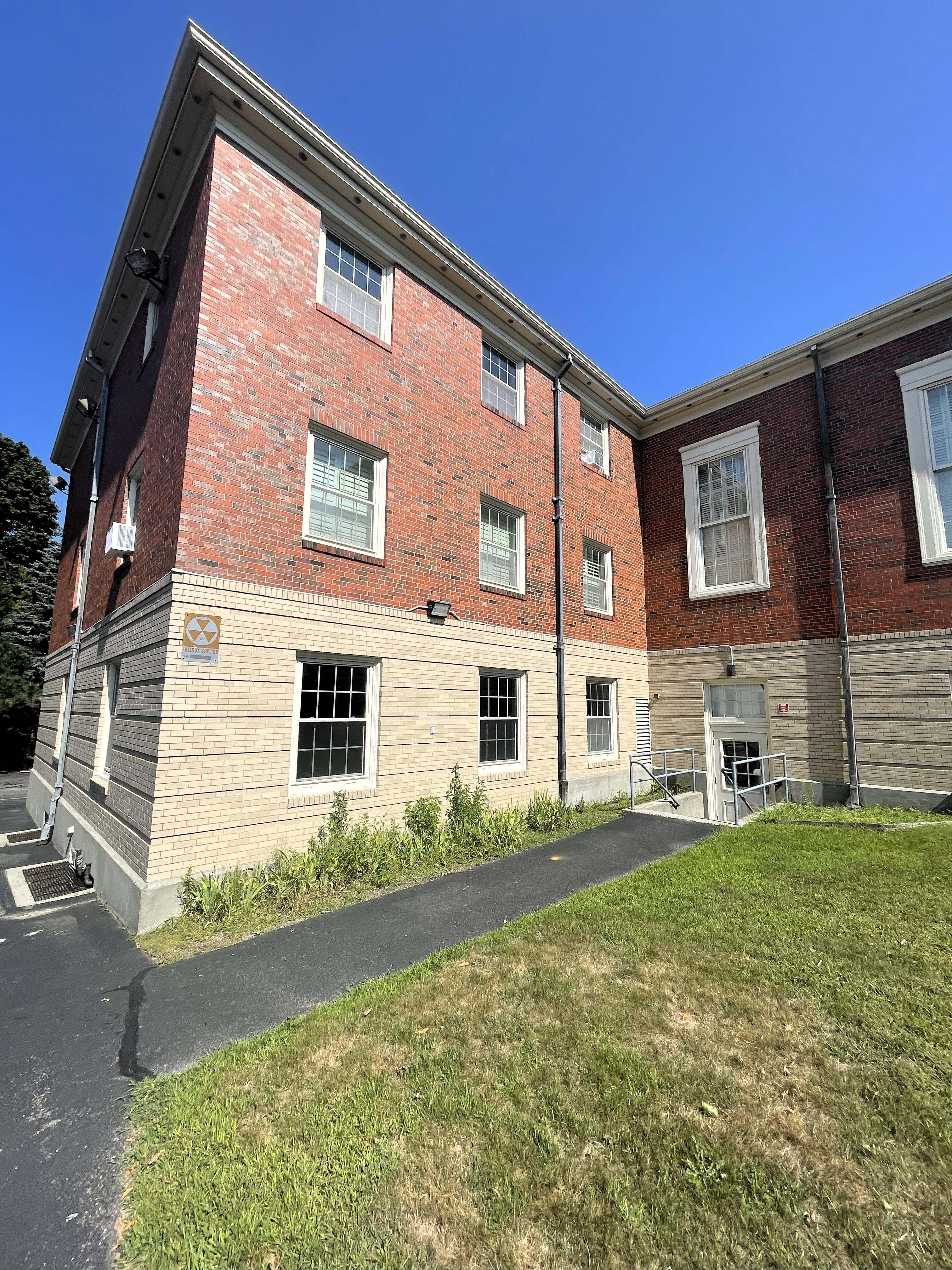
A question came in from someone who visited the site asking if a Fallout Shelter sign that had been on this apartment building at 200 Presidents Lane in Quincy was still there.

Quincy is a city of around 101,000 residents next to Boston, and known as the “City of Presidents” due to it being the birthplace of both John Adams and John Quincy Adams.

A visit revealed that the sign was still in fact there, on the left side of the building.

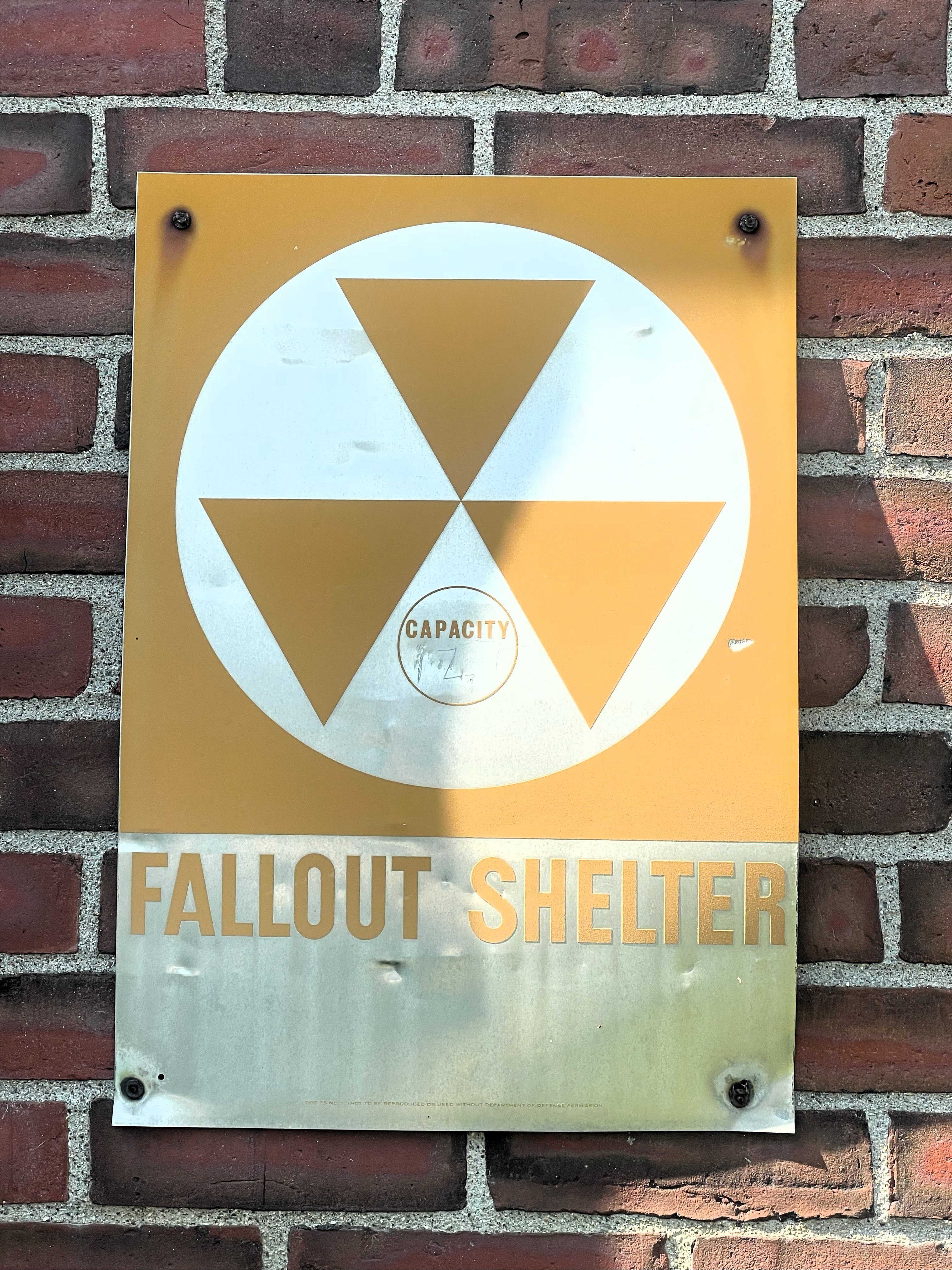
Although a straight-on shot was not possible due to the location of the sign, and the capacity is faded, a quick zoom-in looks like it reads 150.

A chat with a nice resident who was outside revealed that what was the shelter area in the basement is now laundry, and no interior signs remain in the building.

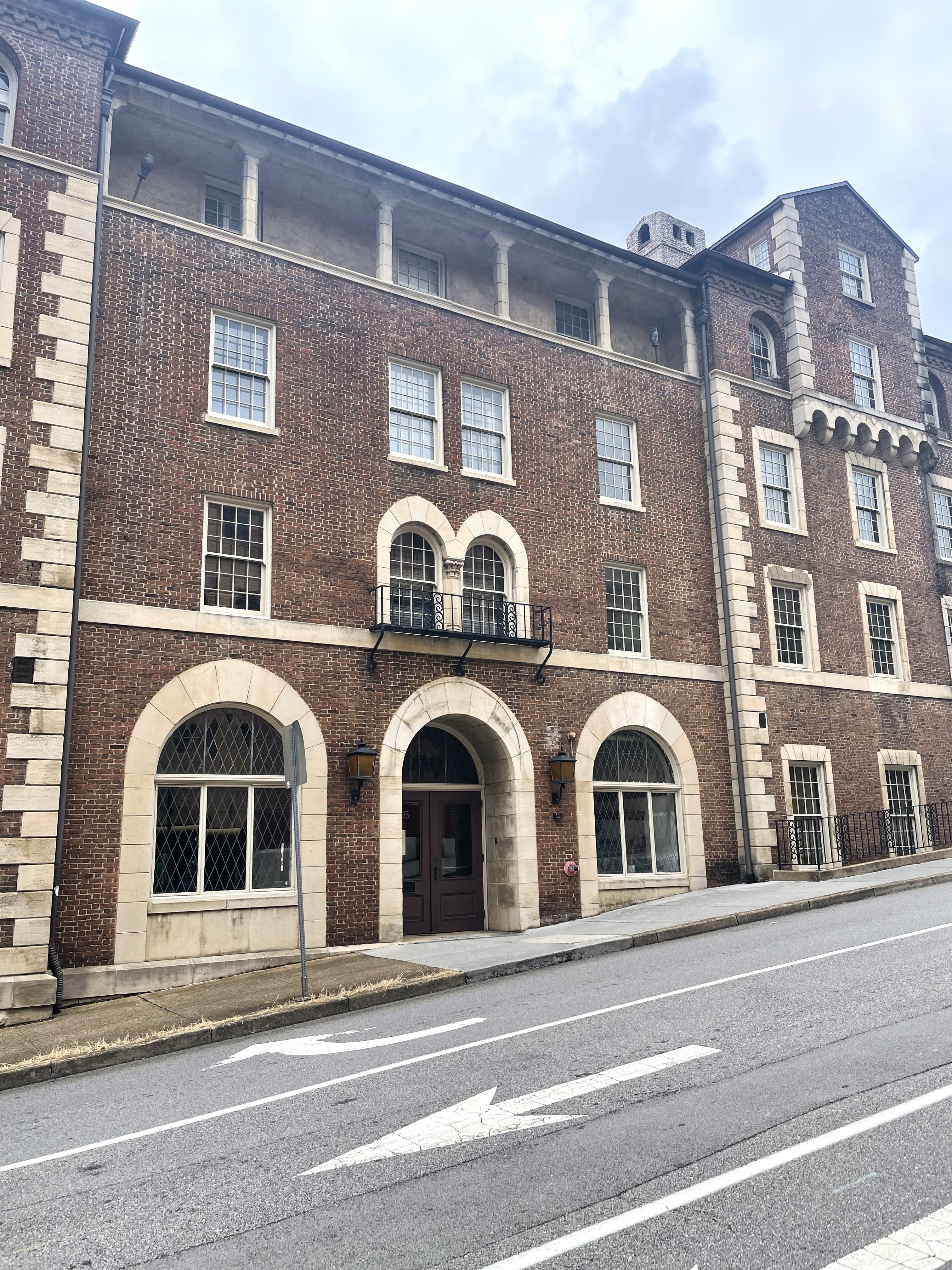
Not too far away, another exterior sign was seen at the First Presbyterian Church on Franklin Street.

The first number of the capacity was missing but the shadow appears to have been a 6, for a capacity of 60.

A quick walk around the building showed a set of stairs down to a basement door, but no other signs.

So, why the reference to JFK? It was President John F. Kennedy who, in July 1961, proposed a public Fallout Shelter program in the United States that would lead to the National Fallout Shelter Survey in September of the same year, and the eventual posting of these very signs (which were created by the Department of Defense, not Kennedy himself).

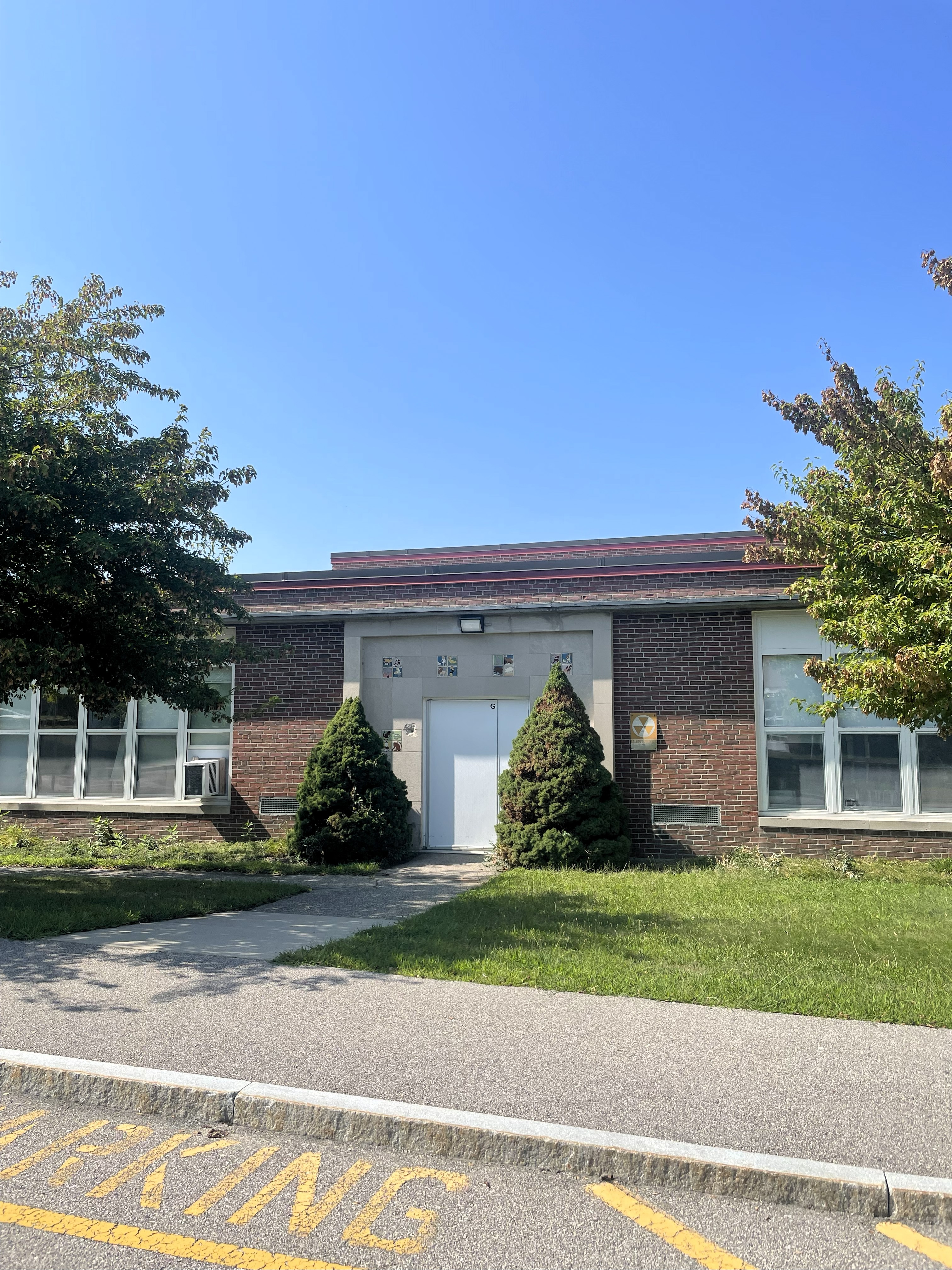
Just over the Quincy line is the Donald E. Ross School in the town of Braintree, and one exterior sign remained on the outside of the building.

Although Quincy had far more shelter locations and still has many signs up within the city, this is one of (if not the last) known exterior sign in the town of Braintree. The only other recent sign was at the St. Francis of Assisi School on Washington Street, but it was removed by 2012.

© 2025 Fallout Five Zero

Pictures taken on August 16, 2025 and owned by Fallout Five Zero.

Special thanks to the unknown resident of 200 Presidents Lane for providing information about the building.

And Just Like That, It Was Gone

The picture on the left, taken around 2011, shows an exterior Fallout Shelter sign on the Hayward Place side of 600 Washington Street, a multi-use building on the edge of Chinatown.

The picture on the right was taken on February 2, 2025, and shows the sign has been removed. However, the sign had just been there a week or so before this picture was taken, so the removal was recent and the sign remained into 2025.

600 Washington Street was once a department store and formerly the Cinerama Theater, which remains abandoned inside the building. There were once 3 exterior Fallout Shelter signs, one on each side of the building except for the rear. There were also several interior Fallout Shelter signs, at least two of which remained as of 2017. As has been previously reported, time and age are not kind to these signs and many continue to be removed. Since this site began in 2014, 40 or more signs have been removed in Boston alone.

Fallout Five Zero will continue to promote their history, however, today and beyond.

© 2025 Fallout Five Zero

Pictures taken and owned by Fallout Five Zero

A Then Controversial Figure Walks Past A Once Controversial Sign

In this photograph taken by famed photographer Stanley Forman in September 1978, singer and controversial figure Anita Bryant walks out of the Copley Plaza Hotel and past a Fallout Shelter sign while in Boston to rally for Howard Phillips, who was running for U.S. Senate at the time.

Anita Bryant had been an outspoken figure and was specifically an opponent of gay rights. According to Mr, Forman, she had to be escorted by Boston Police to various events in Boston due to threats. Phillips ended up finishing fourth in the Democratic primary for Senate that year.

As for the Fallout Shelter sign, it had its own controversy when it was first developed in 1961 because many anti-nuclear activists believed it promoted the idea of war over disarmament and gave Americans a false sense of security. In many places in the US, including San Francisco and right at Harvard University in Cambridge (which Phillips attended), the signs were torn down multiple times. The one in this photo and many others, however, lasted many years beyond (it is now gone), and hundreds of signs are still up throughout the US, although they are coming down as time passes and buildings are rehabbed or demolished. Many were also removed over the past decade due to city governments not wanting people to think shelters still exist or can be used. New York City specifically took all remaining signs off their public school buildings in 2017 for the same reason.

© 2025 Fallout Five Zero

Photograph taken and owned by Stanley Forman and used with permission. Special thanks to Mr. Forman for use of the photo. More of his work can be found at his website https://stanleyformanphotos.com/

Out of Town Mini Series: The Shadows of Tennessee

During a recent trip to Tennessee, FFZ and family visited both Knoxville and Nashville.

Knoxville, a small city three hours east of larger Nashville, once had “hundreds” of shelters, according to this 2018 news story from NBC affiliate WBIR, which aired shortly after the Hawaii ballistic missile scare.

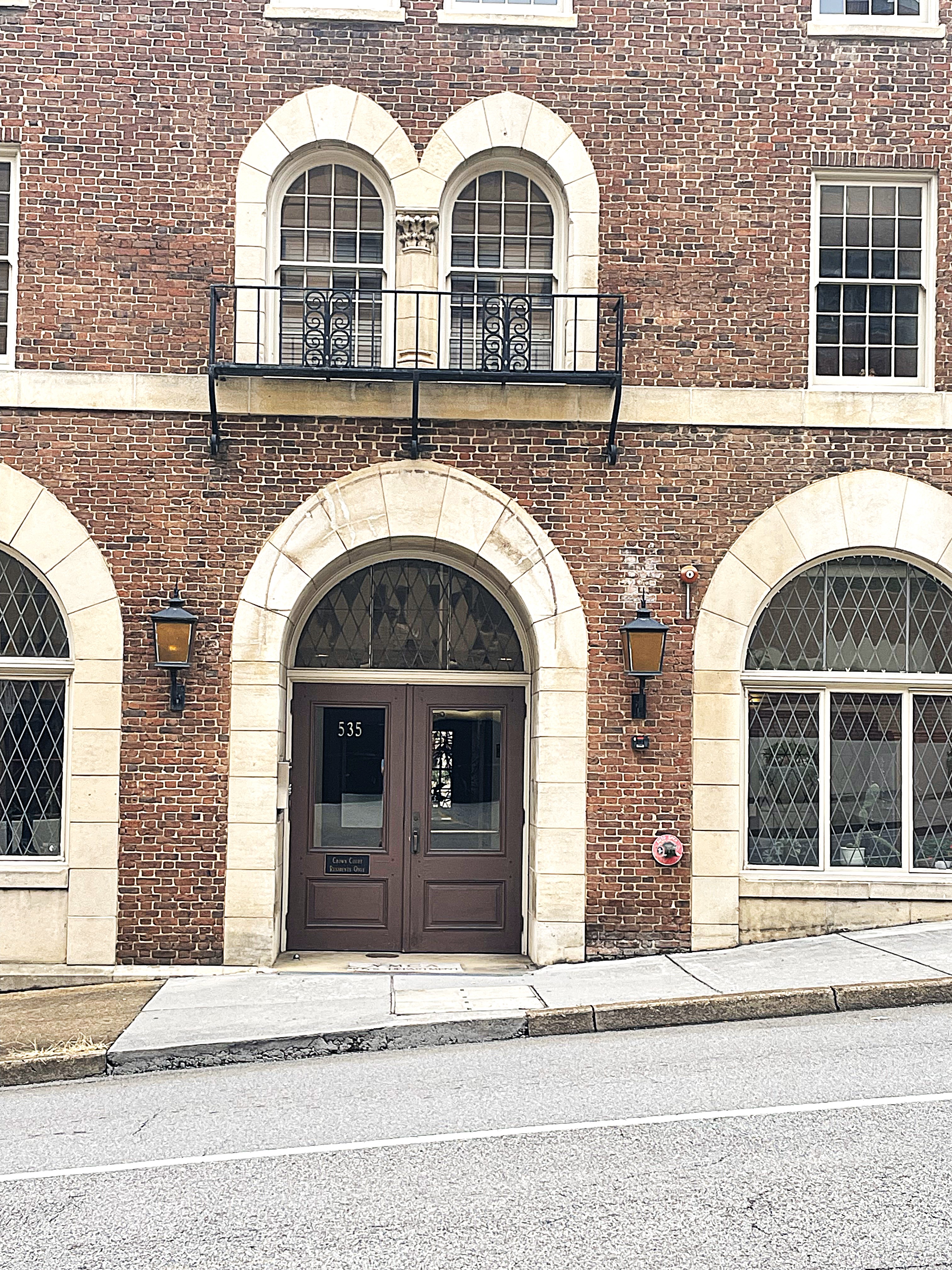
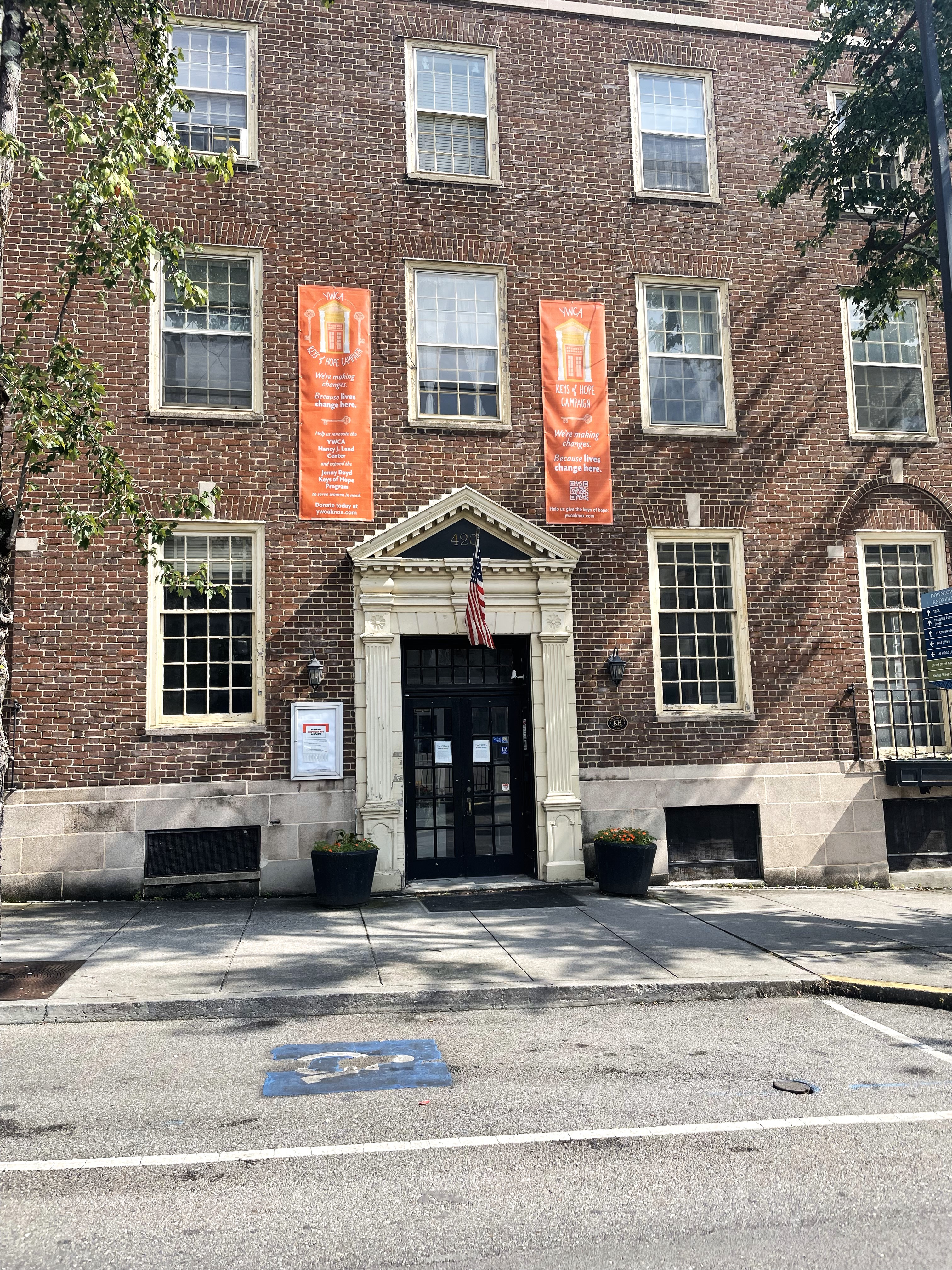
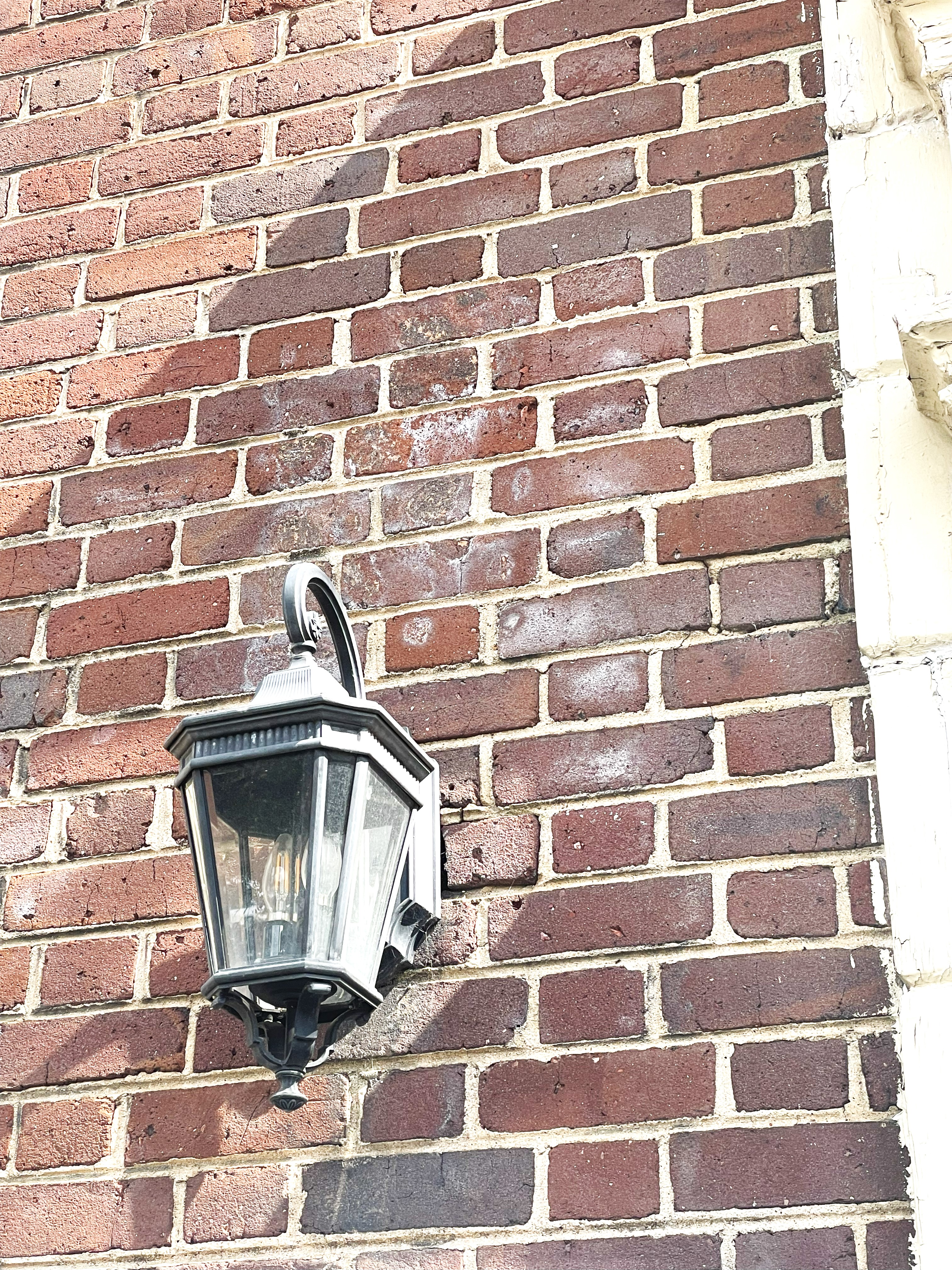
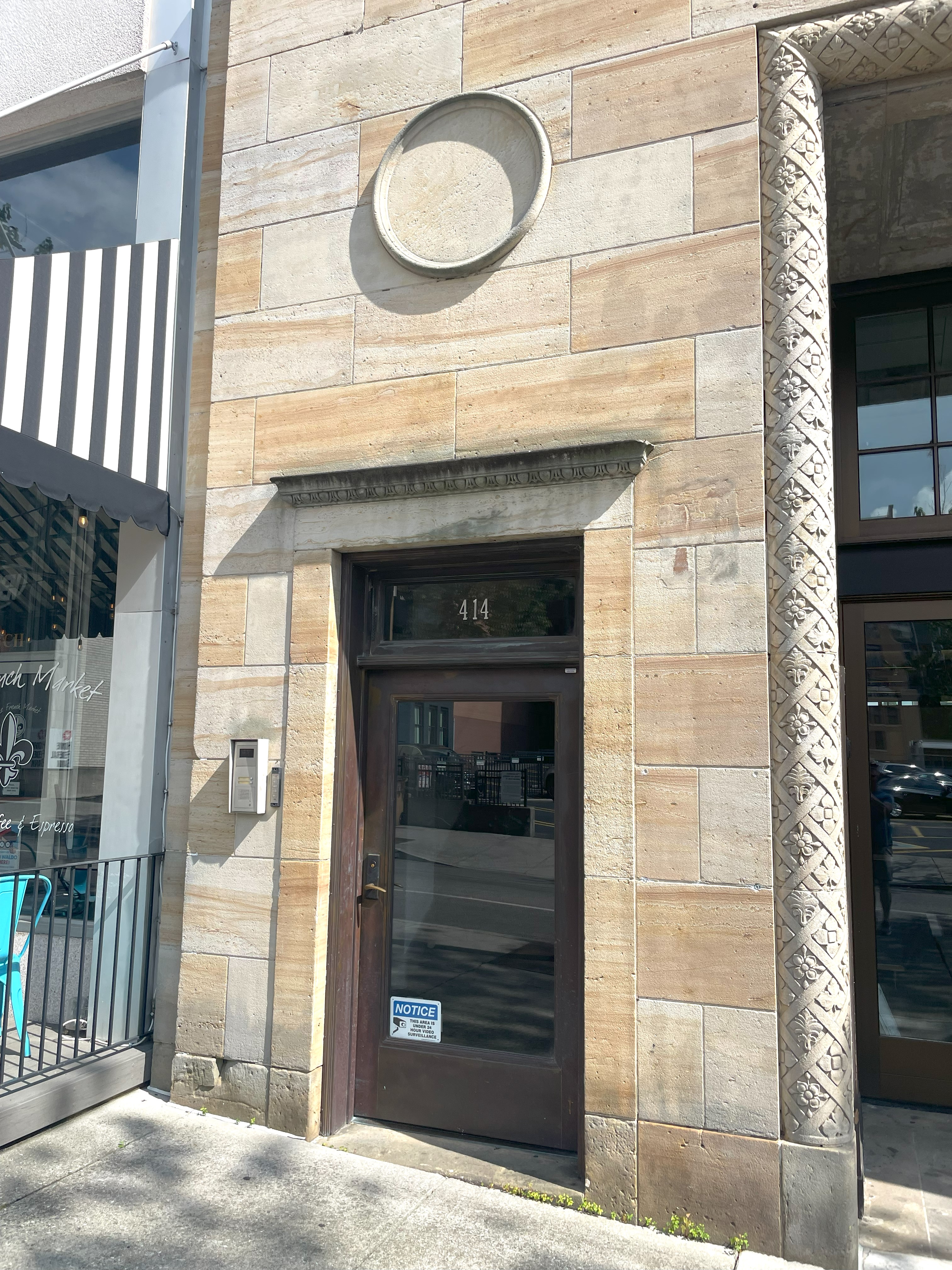
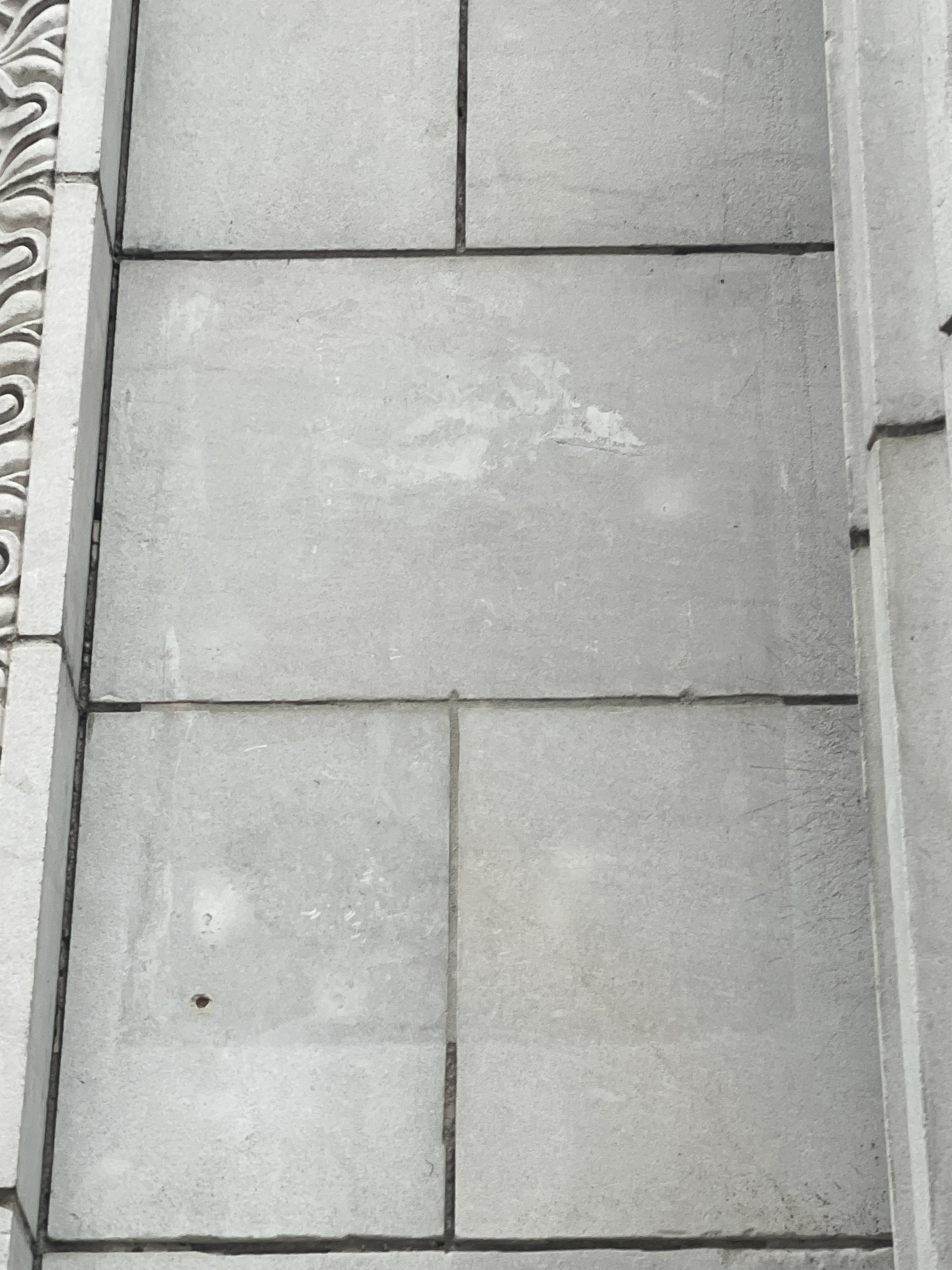
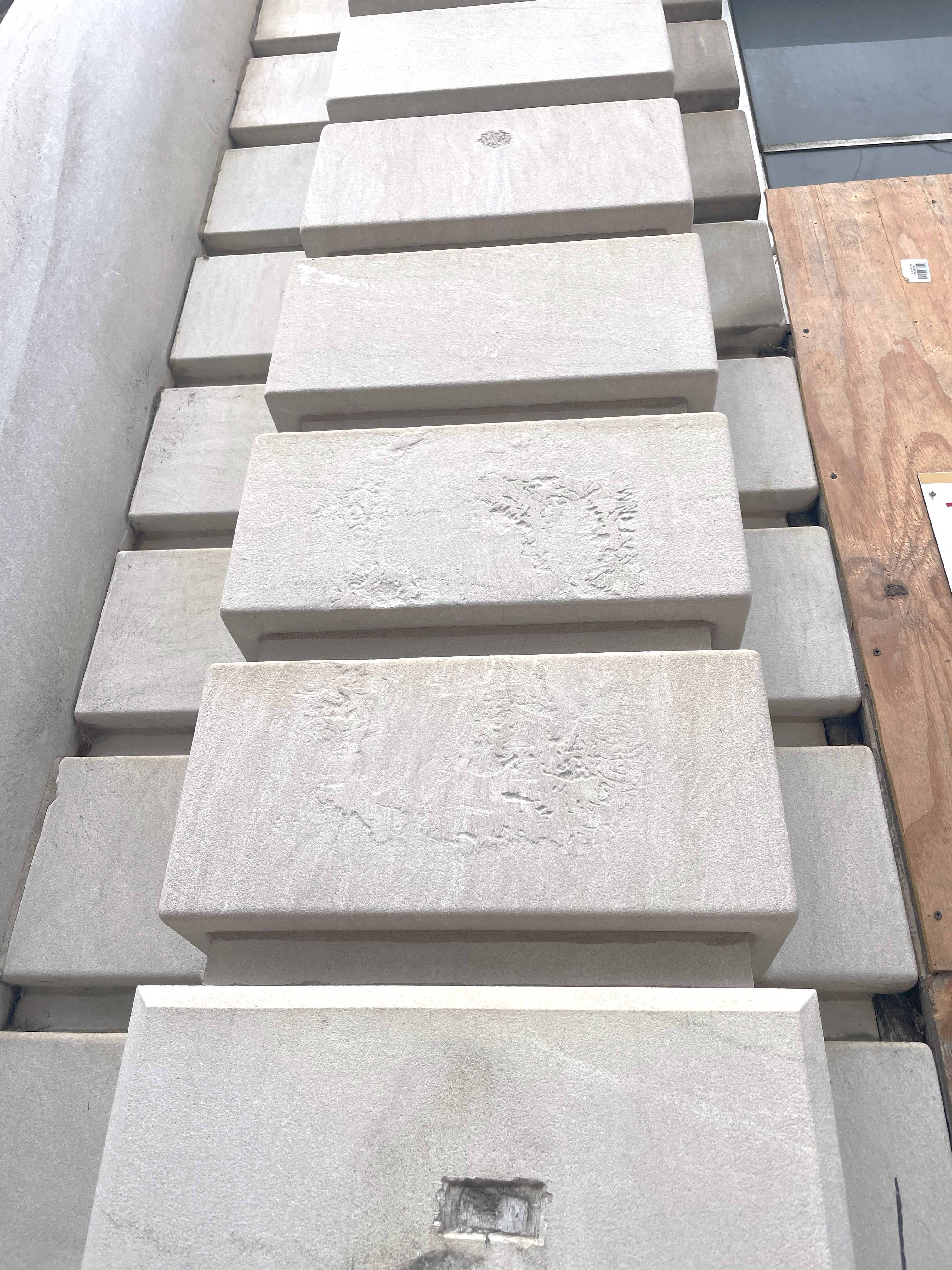
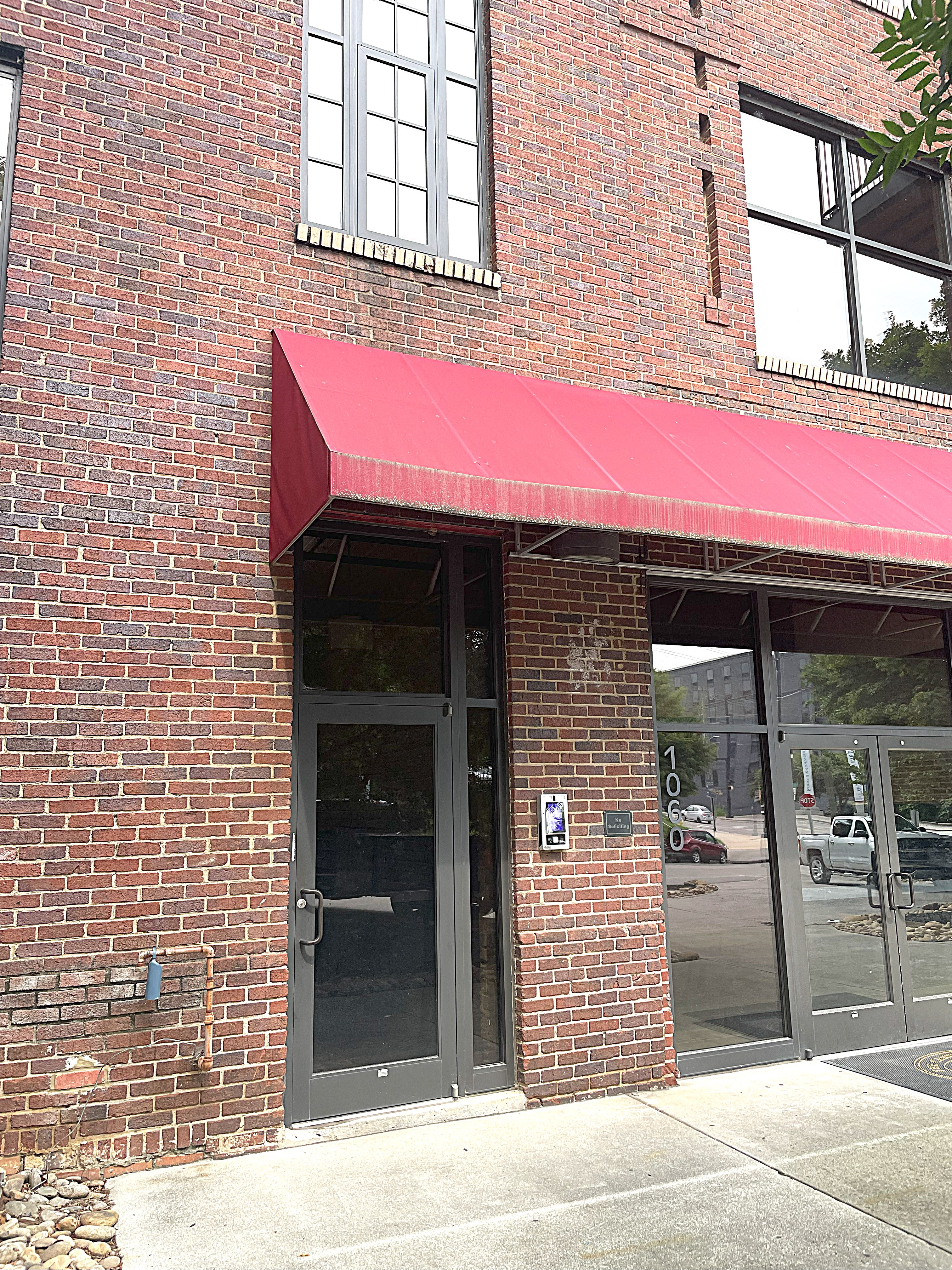
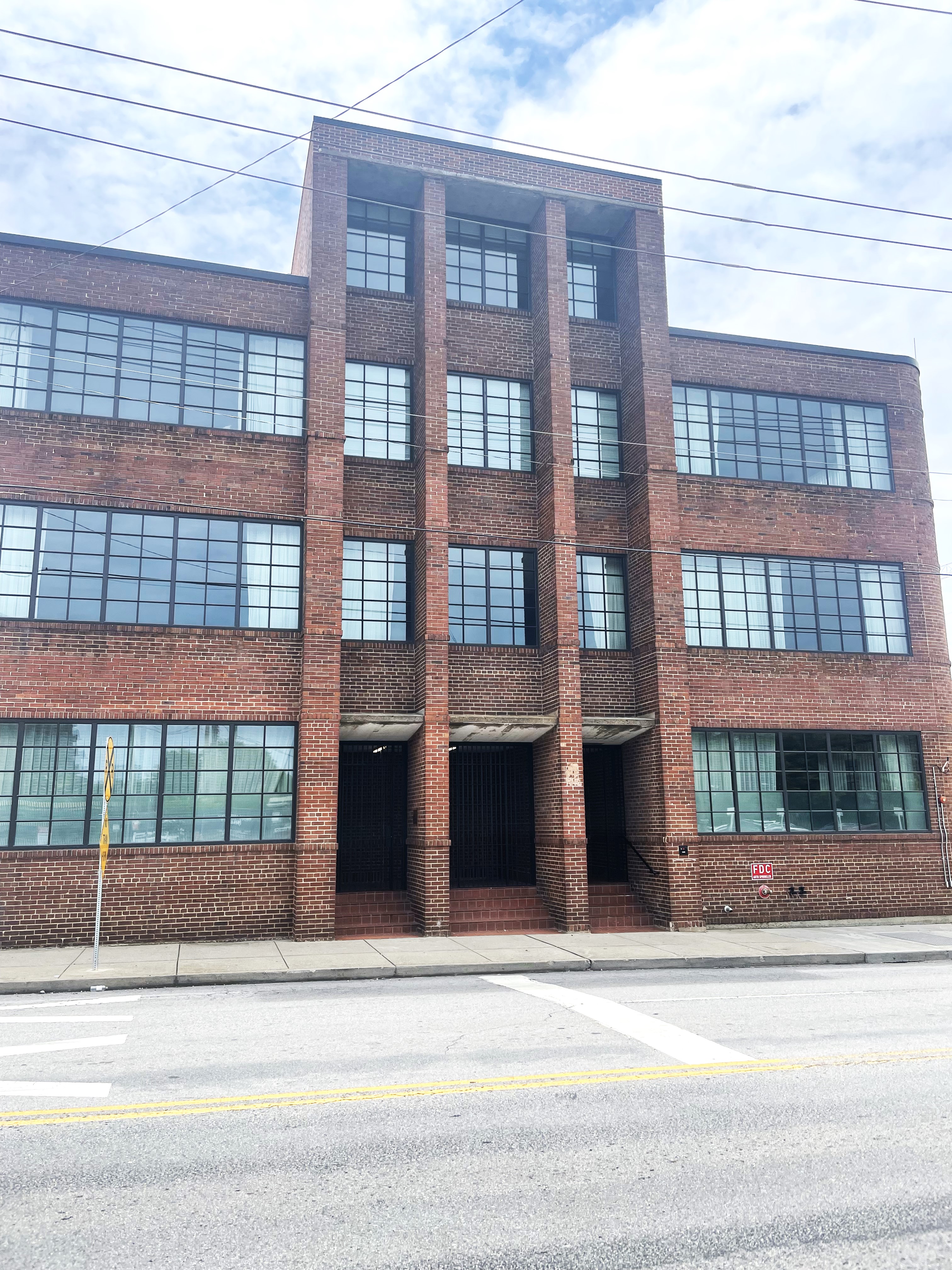
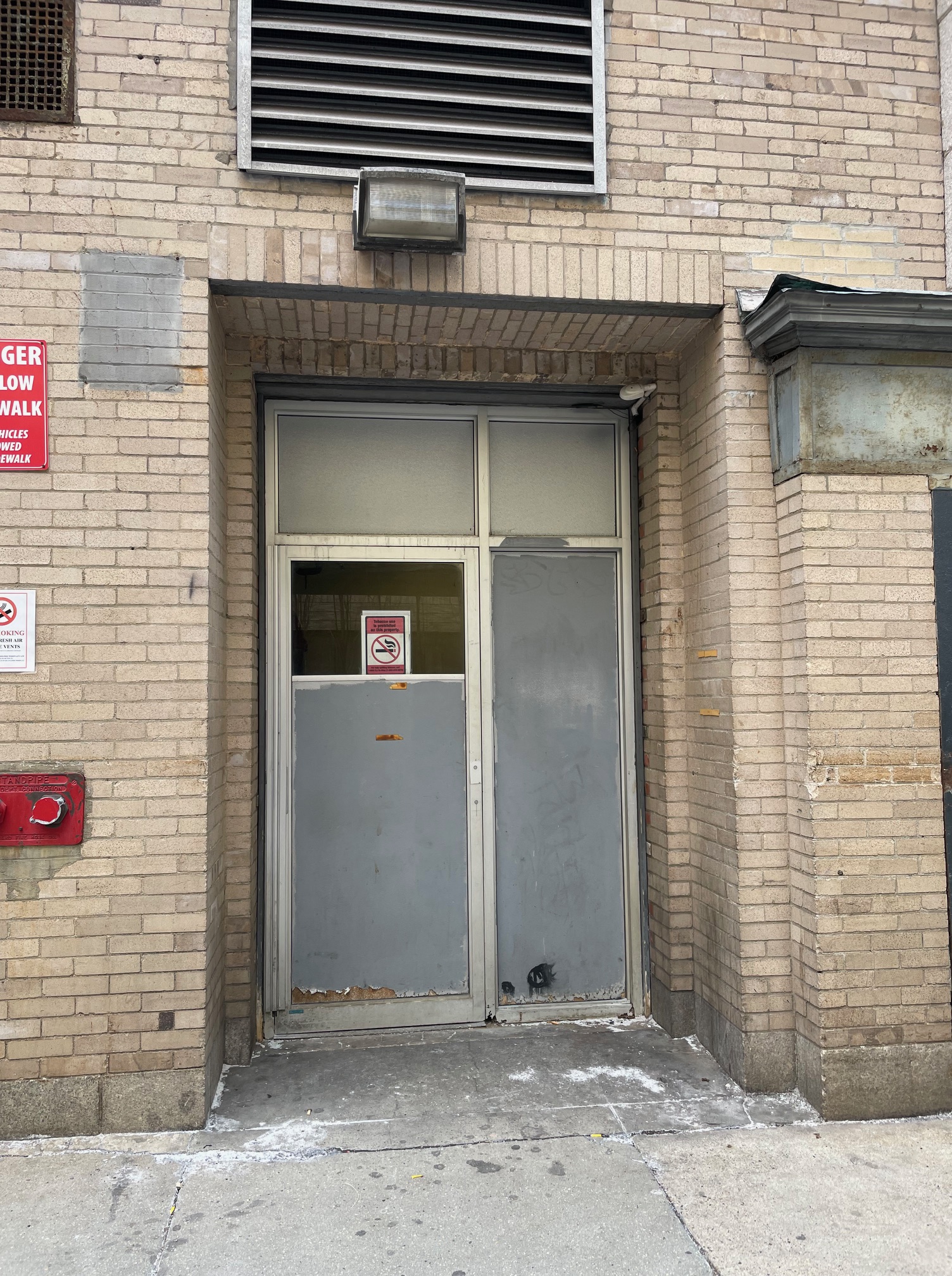
However, during this visit, not one active shelter sign was seen in the city; only shadows where former signs once hung.

East Tennessee History Center, S. Gay Street & Clinch Avenue

IMG_6956

YMCA Building, Locust and West Clinch Sts

YWCA, West Clinch avenue

Studio Four Design, 414 Clinch Avenue

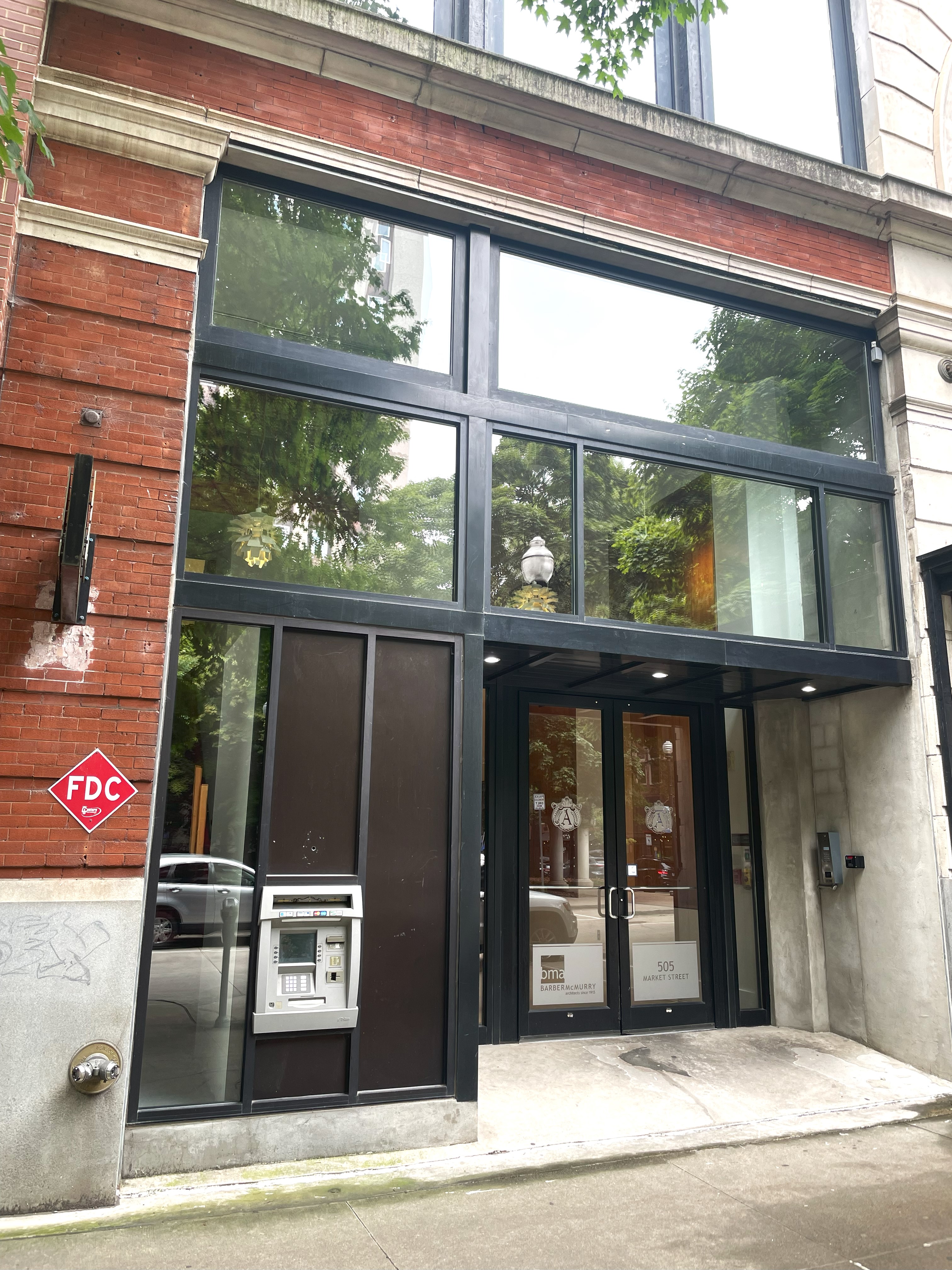
BMA Architects, 505 Market Street

Residential Building, 531 South Gay Street

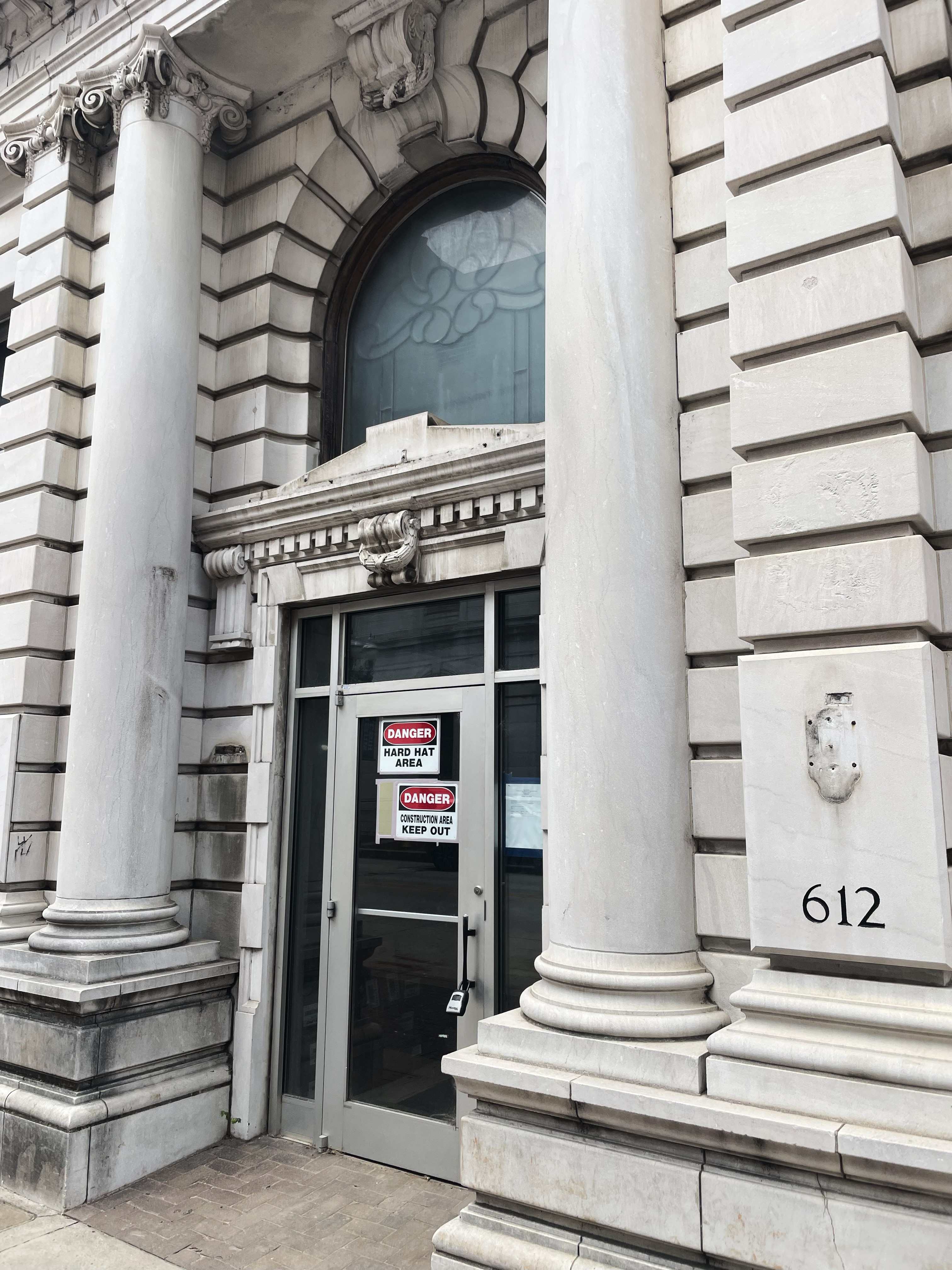
Former Bank Building, 612 South Gay Street

Residential Building, Clinch Avenue and Worlds Fair Park Drive

Although this is only a small sampling of buildings within the downtown area, these shadows show what was once a decent shelter system in Knoxville. The news story mentioned above even shows a Community Shelter Plan from Knoxville in 1969, and part of the story takes place in the news station’s former shelter, which was in the basement of their building.

As for Nashville, many older buildings were seen that were the right size and architecture for having possibly been shelters, but not one sign was seen within that city either, and only one lone shadow on this building on Chestnut Street near the Nashville guitar billboard.

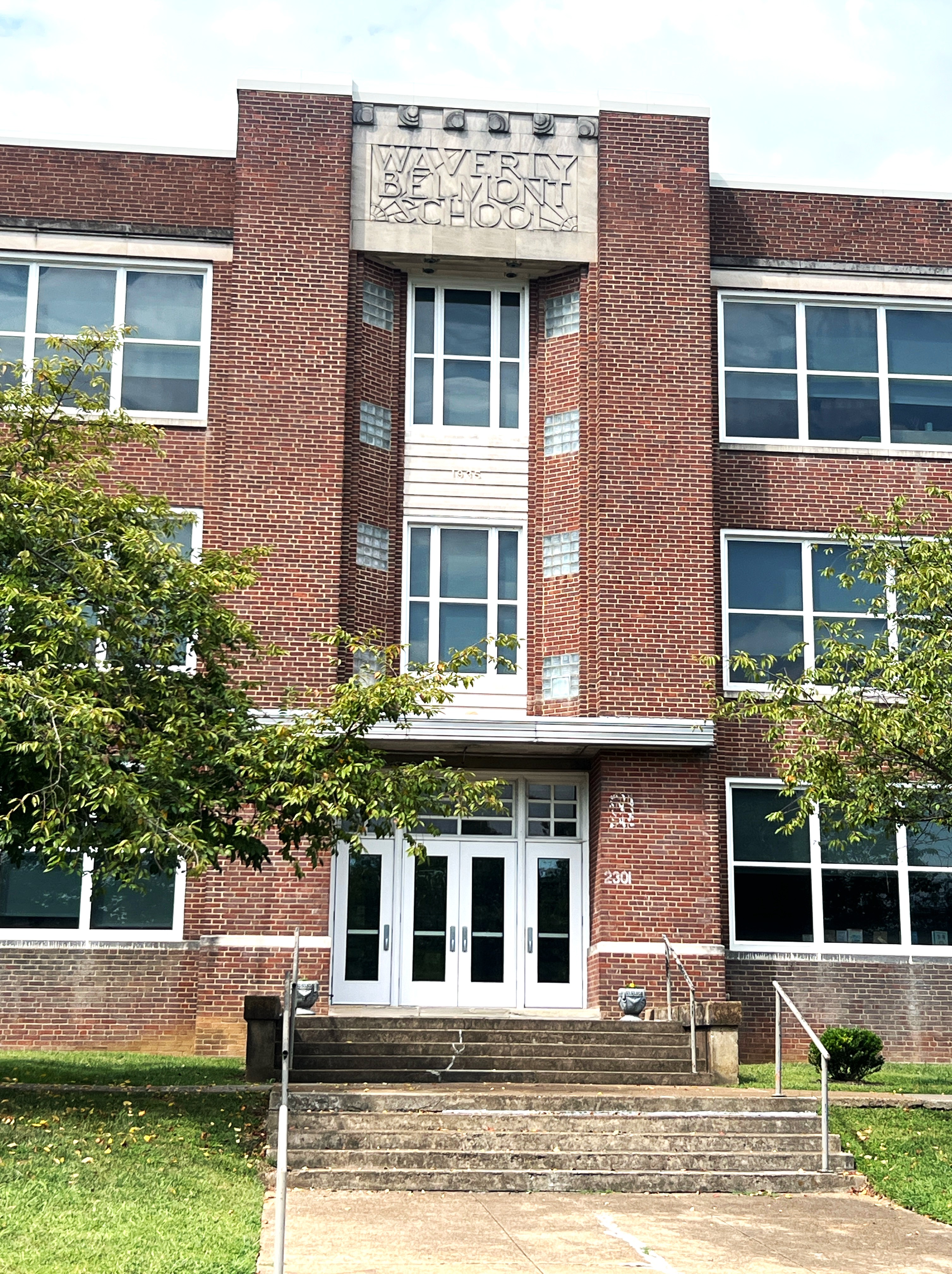
However, a family member visited Nashville in September 2025, and found one more building (The Waverly Belmont School) that had a prominent sign shadow, and was kind enough to send photos

When it comes to remembering the civil defense program, the public fallout shelter was a very large part of that history. As signs have and continue to come down, these shadows offer a small glimpse into the program’s past and offer a sometimes ugly but prominent reminder of where these shelters once were.

There’s likely a good country music lyric to end with, but we won’t.

© 2024-2025 Fallout Five Zero

All photos above taken and owned by Fallout Five Zero

Photos of Waverly Belmont School taken and sent by family member and now owned by Fallout Five Zero

Makes You Wonder What The Other Sign Would Have Looked Like

The National Fallout Shelter Survey, which began in September of 1961, brought the Army Corps of Engineers and civilian architects and engineers who were put through Civil Defense training classes around the country to survey existing buildings to see if they would be feasible as public Fallout Shelters.

To be selected as a shelter, the building had to meet three criteria:

-Protection Factor of 40 (meaning a person would receive 1/40th the radiation inside the shelter than he or she would outside without protection. Noted below and in official documents as “PF.”)
-Room for at least 50 persons
-10 square feet of space per person

Once the survey was underway, buildings that were identified (and licensed if they were private) were marked with the official Fallout Shelter sign, and in some cases stocked with civil defense rations and equipment. As we have featured on our site in the past, the first shelter marked in Massachusetts was The Massachusetts State House in a ceremony that took place on November 5, 1962.

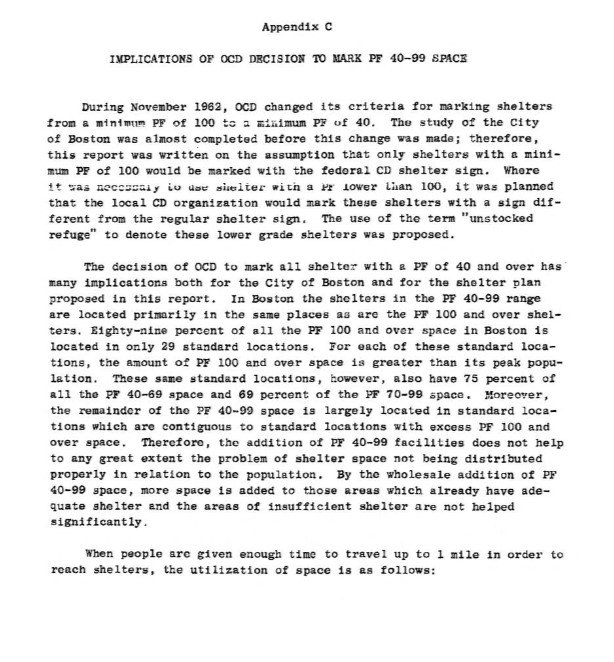
However, this document above (and linked below) from a 1963 shelter study done by the Stanford Research Institute for Boston shows that the original plan by civil defense officials was to only mark shelters with a PF of 100 or more, and mark any shelter with less than a PF of 100 with a differing sign, possibly with something saying “unmarked refuge,”

In the 155-page study, the difference between PF 100 and PF 40 shelters is discussed, as well as the percent of which type of shelter would be occupied day and night and the fact that the shelters that were stocked were at least PF 100. There are also maps showing where potential shelters in Boston were, although it is not differentiated by specific location, just dots marking potential shelter sites within various Boston neighborhoods.

It is interesting to know that we may have seen a sign other than the one we are used to (and this site is dedicated to), though I’m glad they decided to stick with the one.

© 2024 Fallout Five Zero

Document retrieved on January 28, 2024, from archive.org

The Cab, The Sign, and The Siren

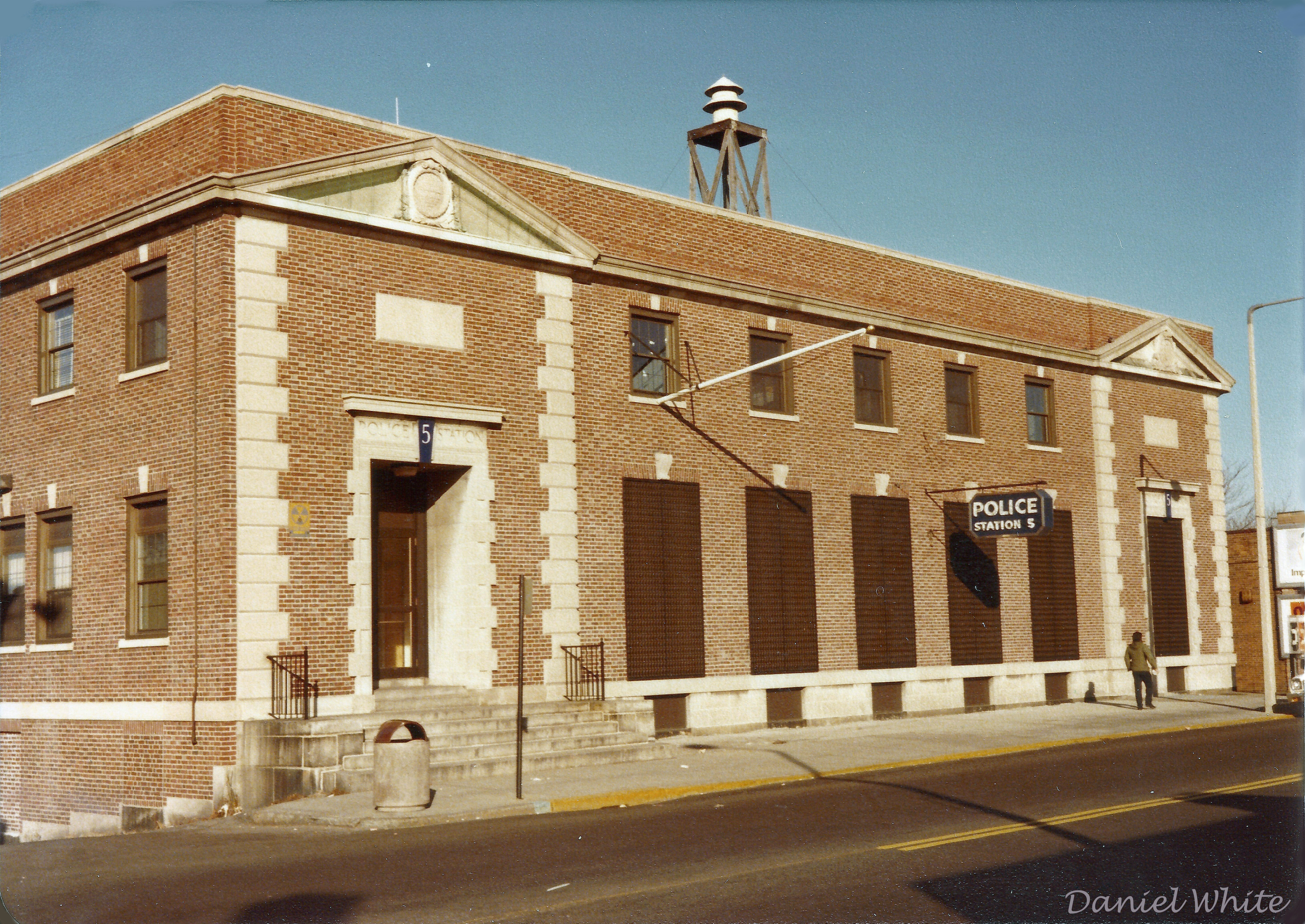
From the desk of our assistant editor Tim comes this screenshot from a WGBH Archives clip of Hyde Park from 1979. Pictured is Boston Police Station 5 (now E-18) on Hyde Park Avenue. On top of the station is one of several Federal Signal air raid sirens that used to be on top of buildings throughout the city.

To the left of the left entrance door is a Fallout Shelter sign, and passing the station is a Checker brand White Cab, which before ridesharing used to be the only hired mode of transportation in cities across the US outside of limos and livery cars.

This photo, taken by Daniel White in February 1980, shows a clearer picture of former Station 5, sans cab.

The cab, the sign, and the siren. All gone today.

©️ 2022 Fallout Five Zero

Screenshot from WGBH Archives, September 1979

Special thanks to Tim for finding and providing the WGBH screenshot and to Daniel White for permission to use his photo

An aluminum sign on a granite building in the Granite State

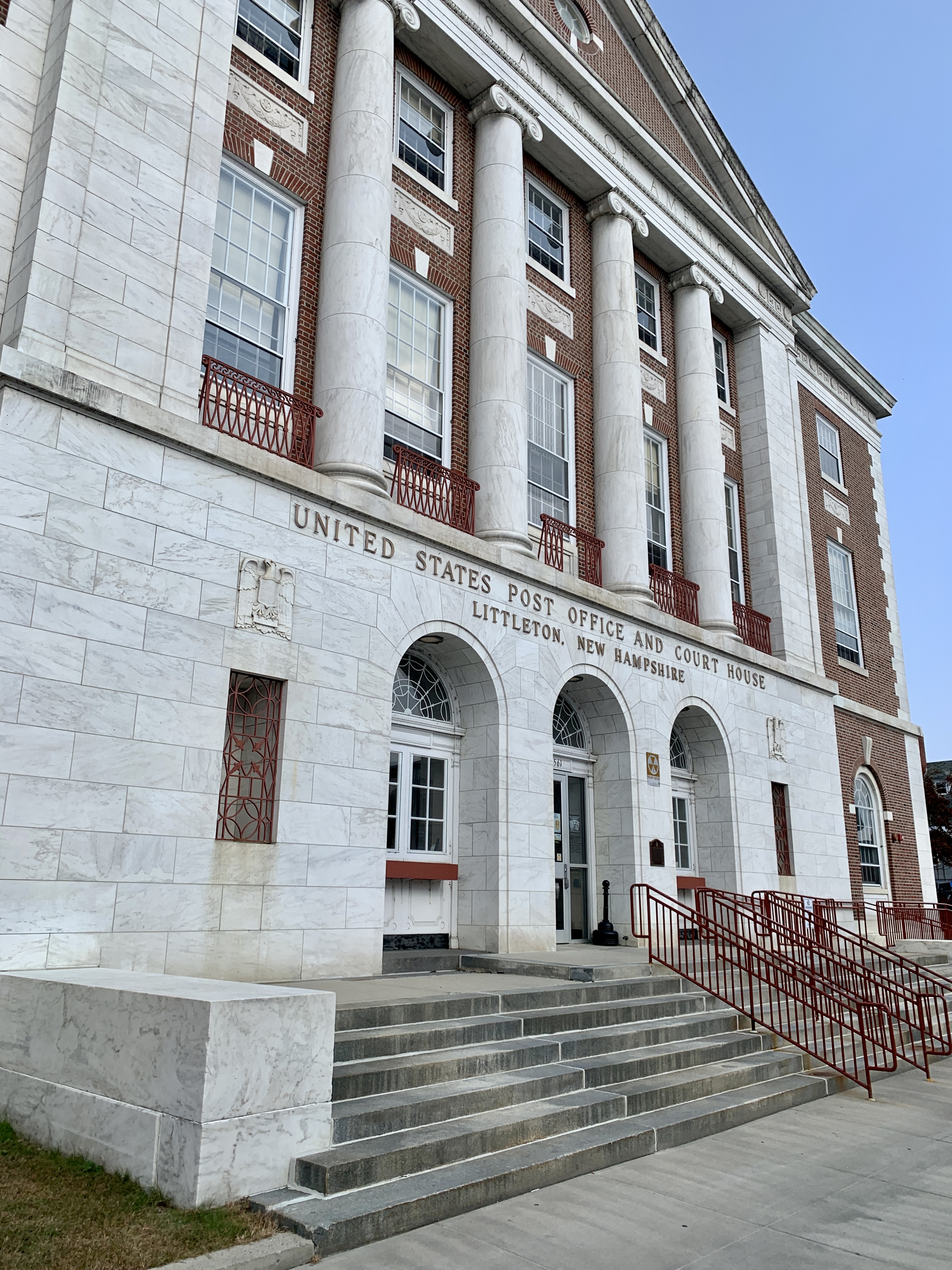
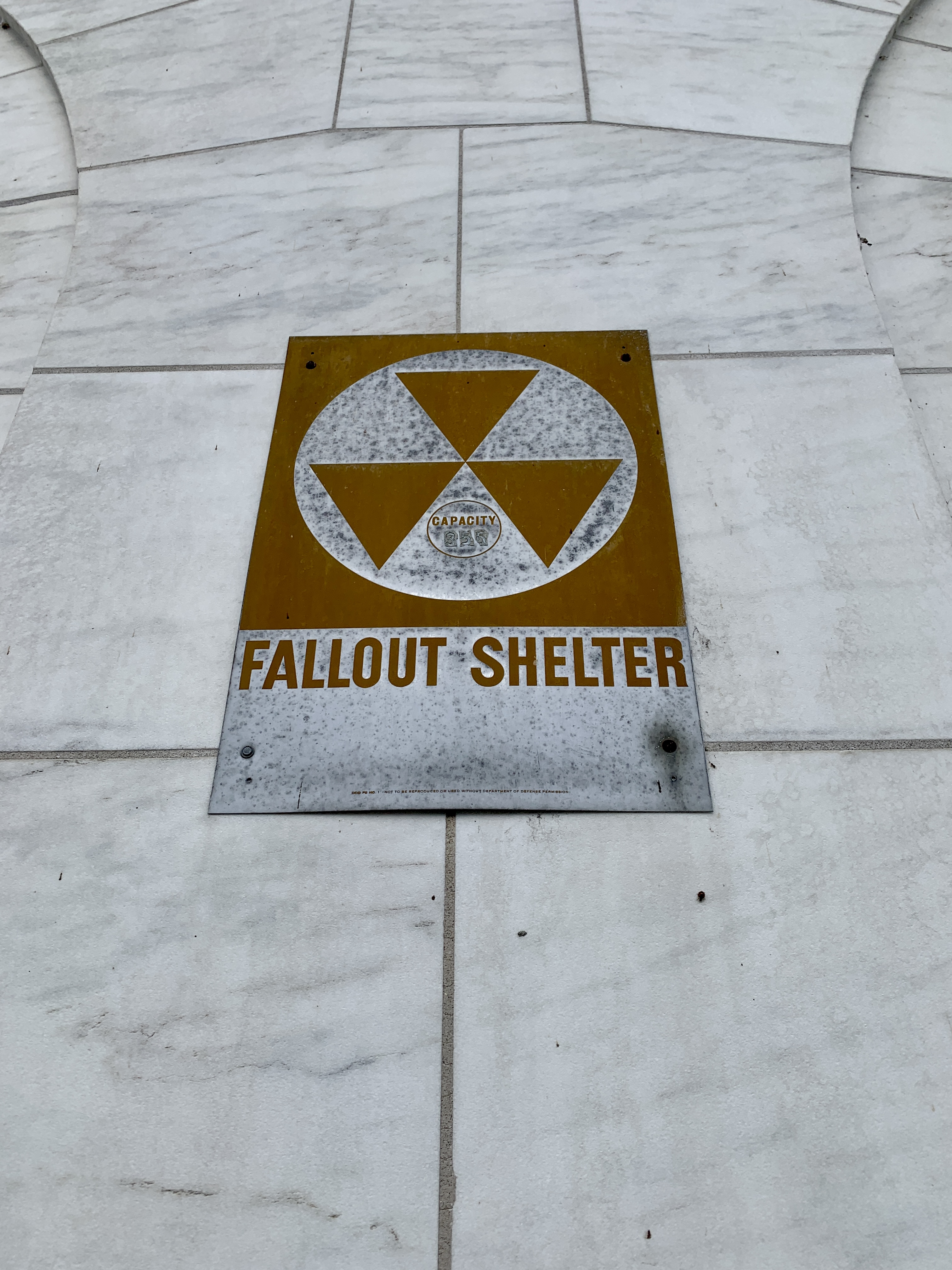
An exterior Fallout Shelter sign is seen on the United States Post Office Building in Littleton, New Hampshire this past fall.

The weathered sign shows a capacity of 355. New Hampshire’s first Fallout Shelter sign was posted in Concord in 1962, and shelters were more prominent in some of the larger cities like Concord and Manchester. There were, however, shelters in various places throughout the state.

© 2021 Fallout Five Zero

Above photos taken in October 2020 and owned by Fallout Five Zero

Not a bus terminal, but close enough


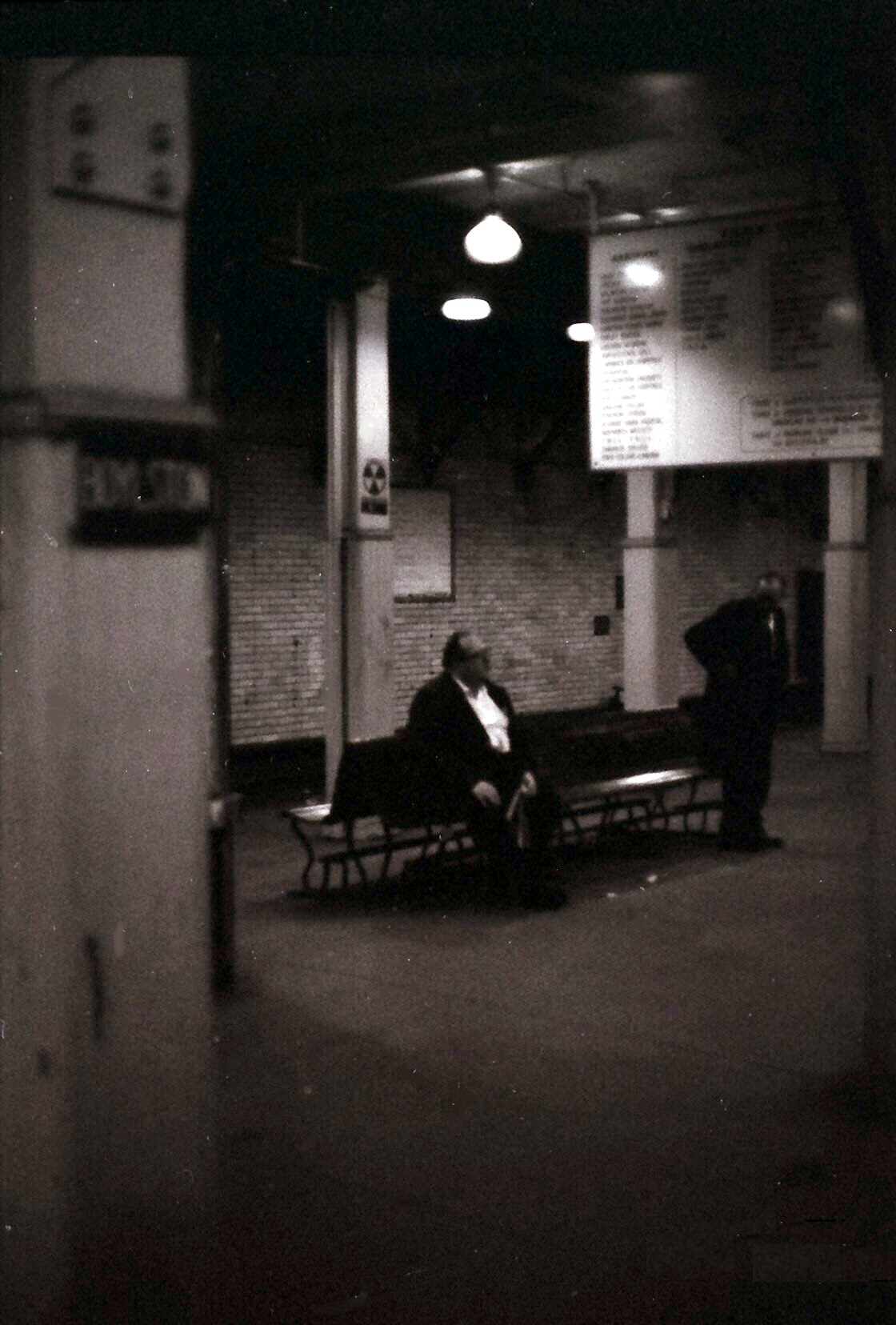
In typical Hollywood fashion, one location can easily double for another, and a Fallout Shelter sign in the background does not care where it’s actually supposed to be.

This screenshot from Spenser: For Hire, Season 2, Episode 15 shows an exterior Fallout Shelter sign on the outside of 150 Causeway Street, which when this was filmed was the former Boston Garden. This arena was connected in some fashion with North Station, but neither had a bus terminal, so some artistic license was used in the shot.

This building was closed in 1995 and demolished in 1998, but it’s memory lives on in Boston sports legend and modern day streaming services.

© 2020 Fallout Five Zero

Shelter: No More

This screenshot from the TV series Spenser: For Hire shows an exterior Fallout Shelter sign on the outside of a residential building at 96 Beacon Street in Boston. This shot came from Season 1, Episode 22 (“Hell Hath No Fury”) and was taken as Spenser (played by Robert Urich) turns from Beacon Street on to Arlington Street.

The building is still there today, but the sign is long gone.


The sign marks are still very prominent to the left of the entrance door. It is unknown when the sign was removed but it was well before the mid 1990s.

Spenser ran three seasons from 1985 to 1988 and was filmed almost entirely on location in Boston.

© 2020 Fallout Five Zero

Footage from Spenser: For Hire owned by Warner Brothers Television

Exterior photos taken and owned by Fallout Five Zero